
The easiest way to help save the ocean is not what you think. Picking up trash and banning plastic bags are steps in the right direction, but they are not enough to restore our ailing ocean to health. But there is one simple way to cut your carbon footprint in half, reduce ocean pollution, and protect marine life: eating plants.
Growing demand for meat is driving the planet toward climate catastrophe. According to the Food and Agriculture Organization of the United Nations, livestock and their byproducts emit 18% of all greenhouse gases globally, more than the emissions produced by all transportation.
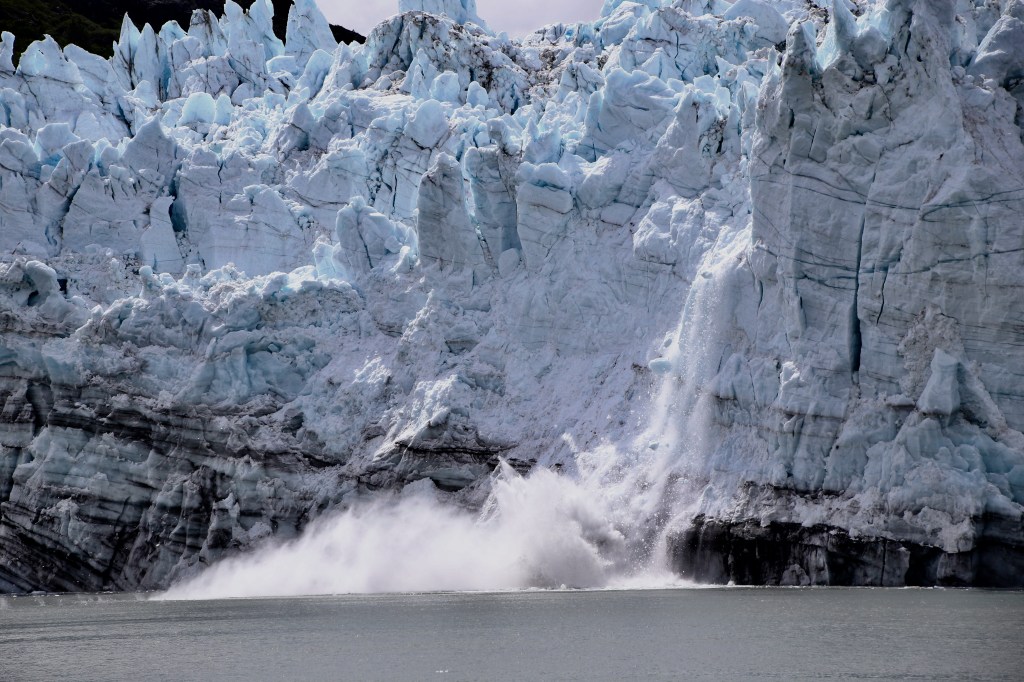
The ocean has absorbed over 90% of the excess heat trapped by the increase in greenhouse gases over the last several decades. Ocean warming melts ice shelves, raising sea levels and threatening coastlines. It also jeopardizes the survival of coral reefs and the marine life—and human lives—that depend on them. Warming even alters ocean currents, with far-reaching effects on climate and ocean food chains. In addition to warming the ocean, excess carbon emissions acidify the water, weakening the calcium shells and skeletons of animals like corals, clams, and oysters, scientists say.
The good news is that we can go a long way toward solving these problems with our food choices.

Meat-eaters are responsible for almost twice as many dietary greenhouse gas emissions per day as vegetarians and about two and a half times as many as vegans. A widespread switch to veganism would cut greenhouse gas emissions by 70%, according to a 2016 study published in Proceedings of the National Academy of Sciences. It would also stem the outpouring of manure into the ocean that fuels blooms of toxic algae and oxygen-starved “dead zones” the size of New Jersey. In addition, it would prevent hormones, antibiotics, and pathogens from running into the ocean and harming marine life.

While animal agriculture is often viewed as a vital part of the economy, farming as a whole only accounts for 1% of the U.S. GDP, compared to 19% for industry and 80% for services, according to the USDA. The economic benefits of switching to a vegan diet far outweigh the contribution of farming animals. Due to the disease-preventing health benefits of a vegan diet—endorsed by the American Dietetic Association—the money that would be saved on healthcare, lost working days, and reduced emissions, among other benefits, would amount to trillions of dollars.

We keep trying to convince ourselves that we can have our steak and eat it too, when the reality is that there is no truly sustainable way to eat animals. Our voracious appetite for animal protein is depleting resources, polluting the ocean, and warming the planet. We cannot afford the cost to human lives and the environment of eating so much meat.
Replacing all fossil fuels with renewable energy will take decades and billions of dollars, while replacing meat with legumes, grains, and vegetables can be done instantly. So, what’s stopping us? Is the taste of meat worth the death of our ocean?
 CurrentSea